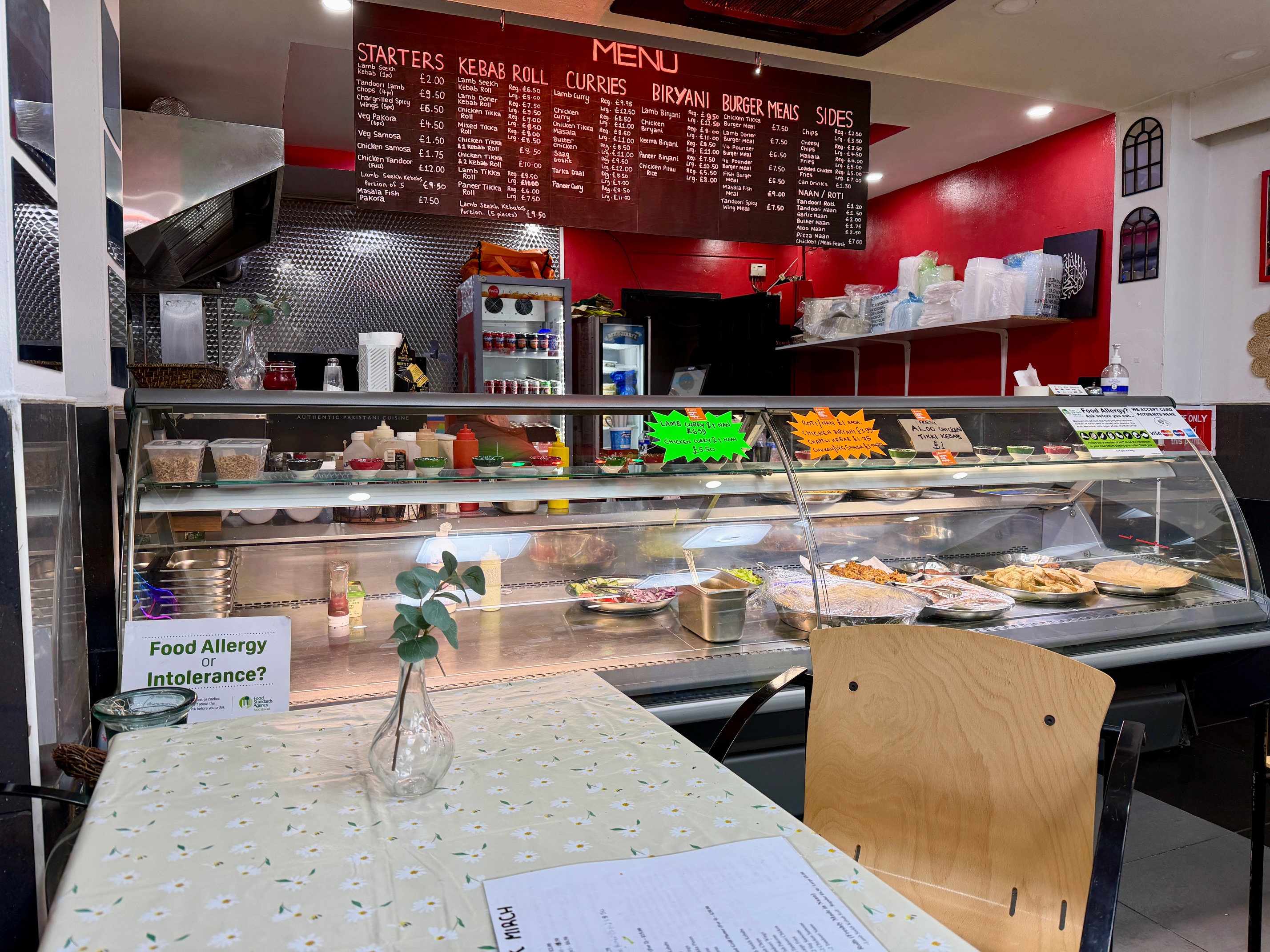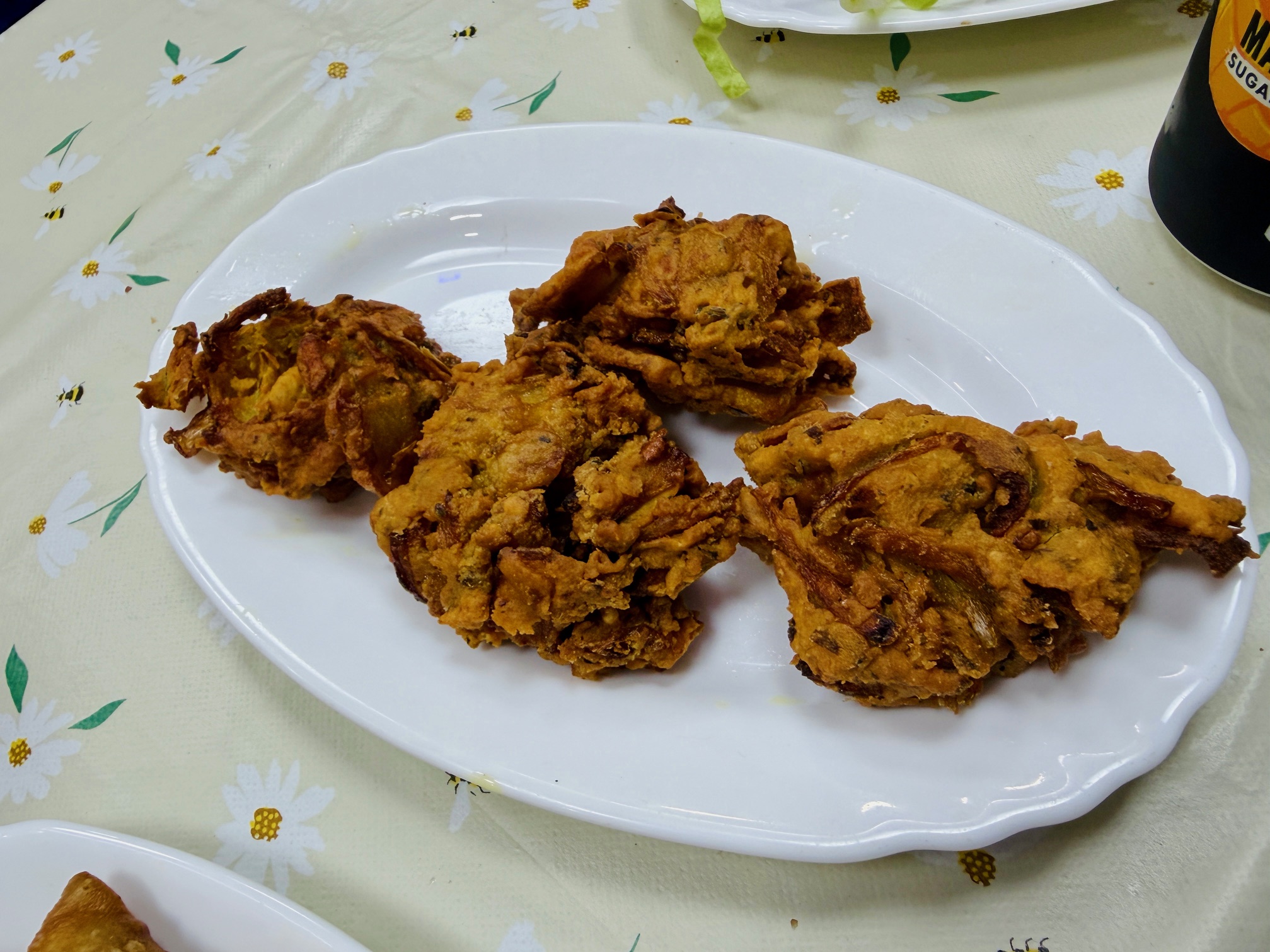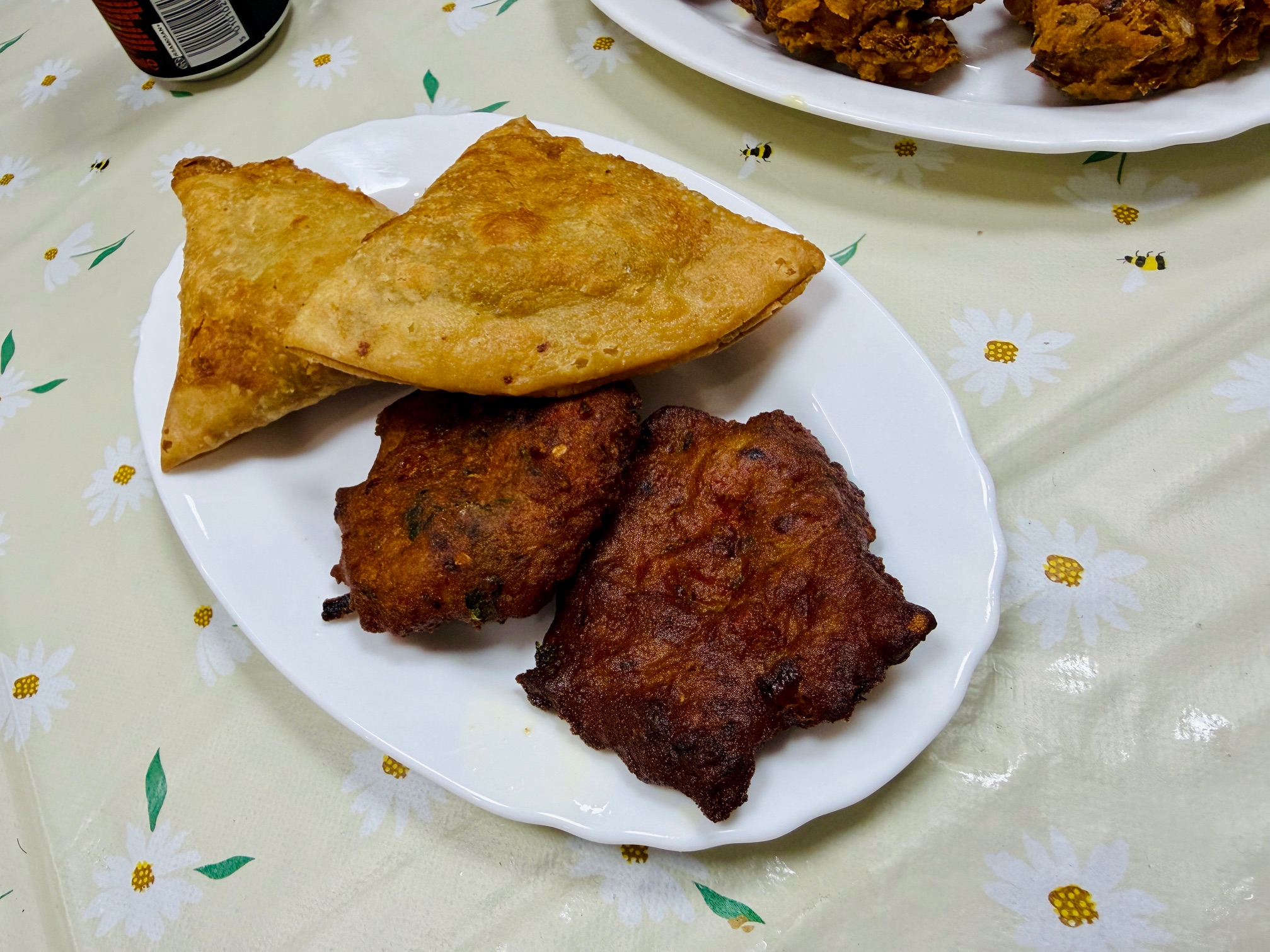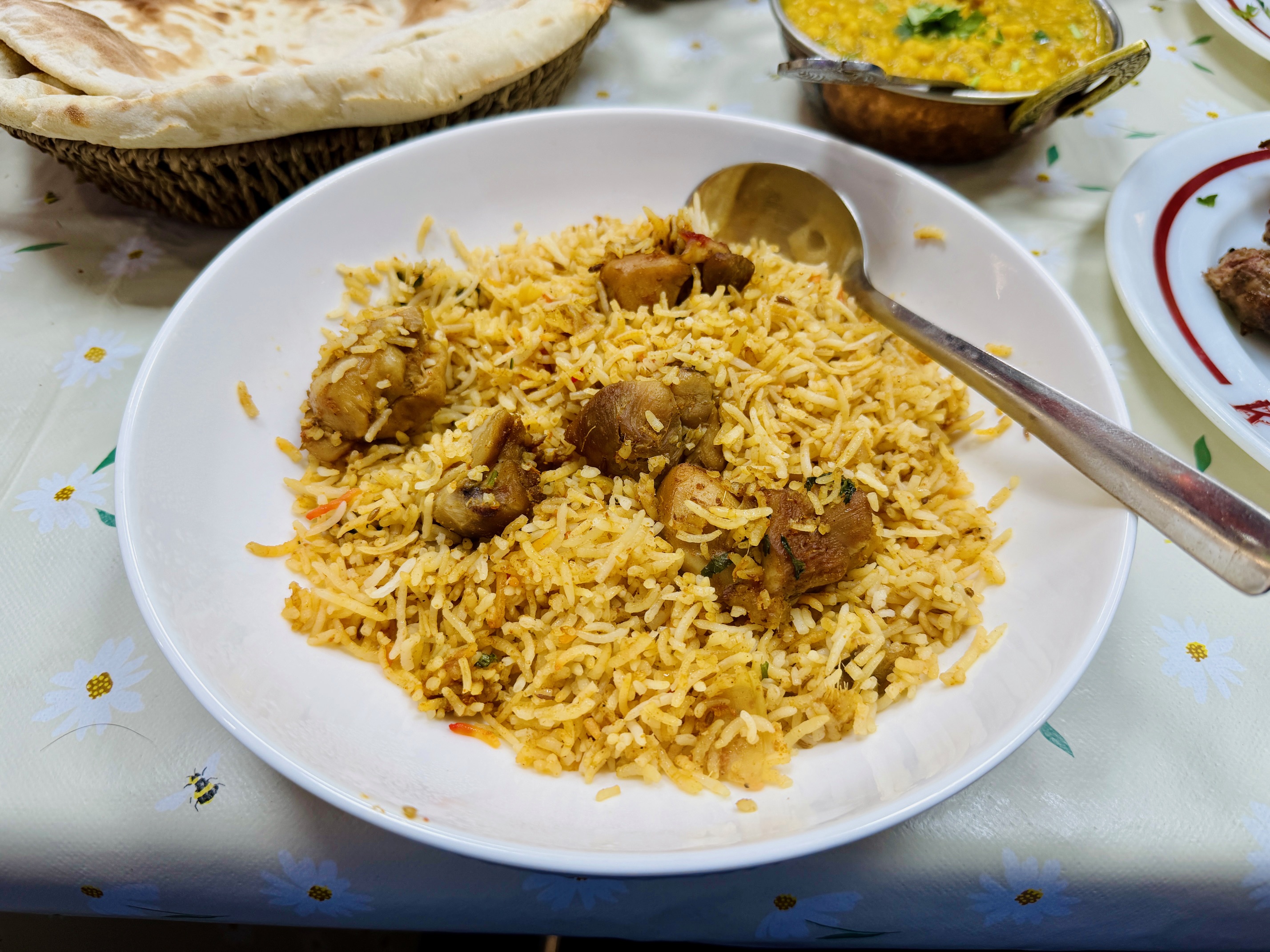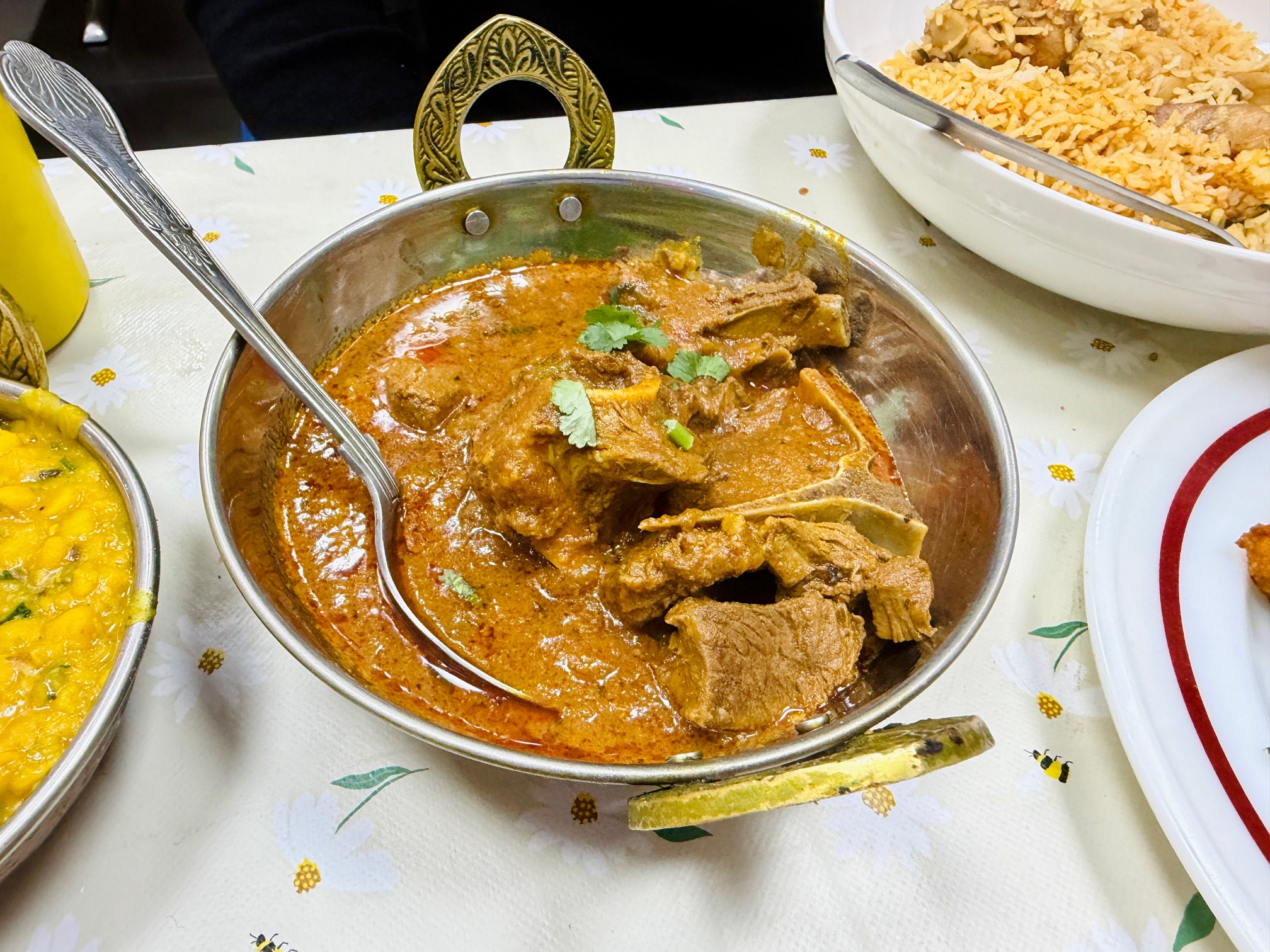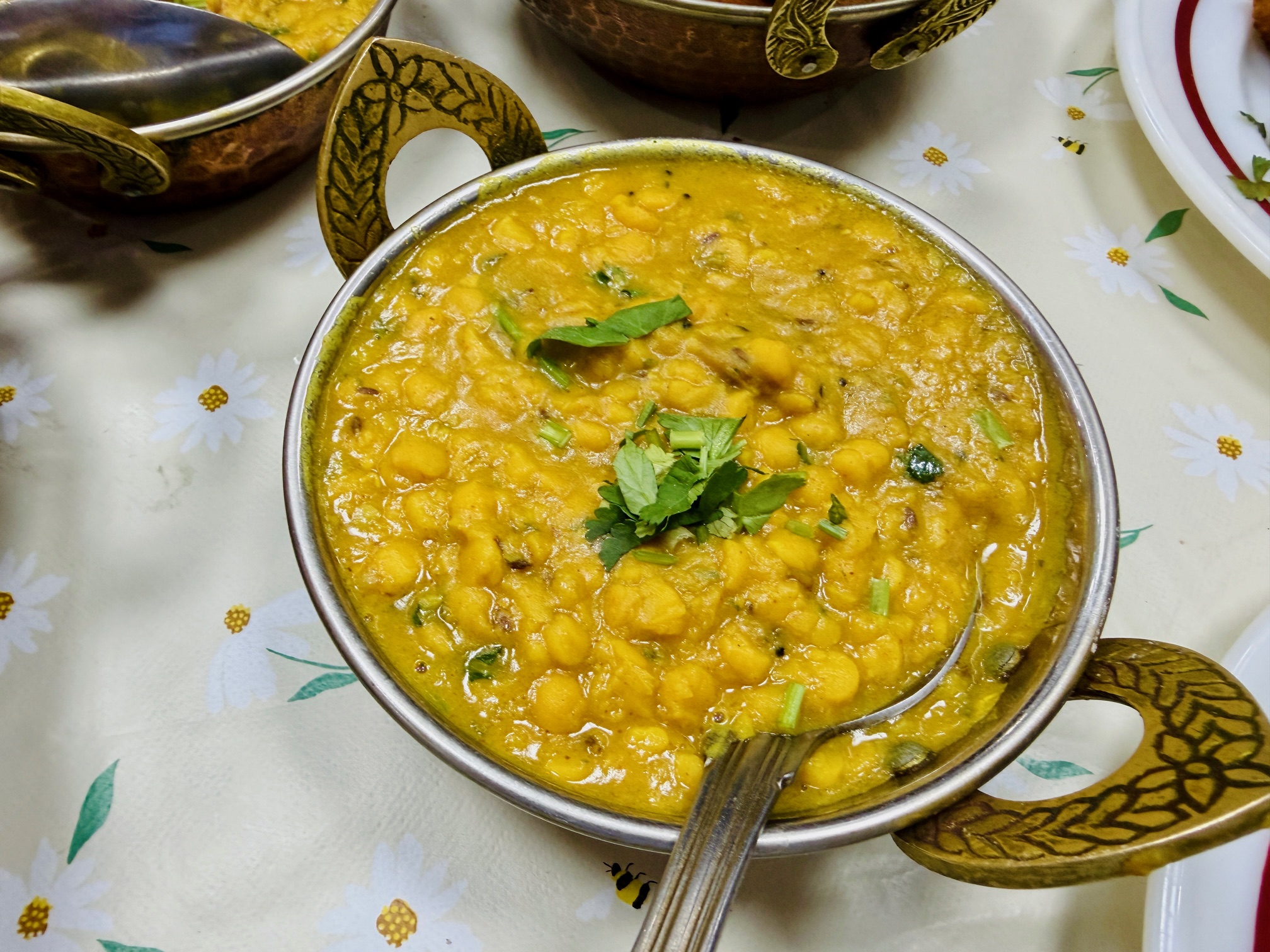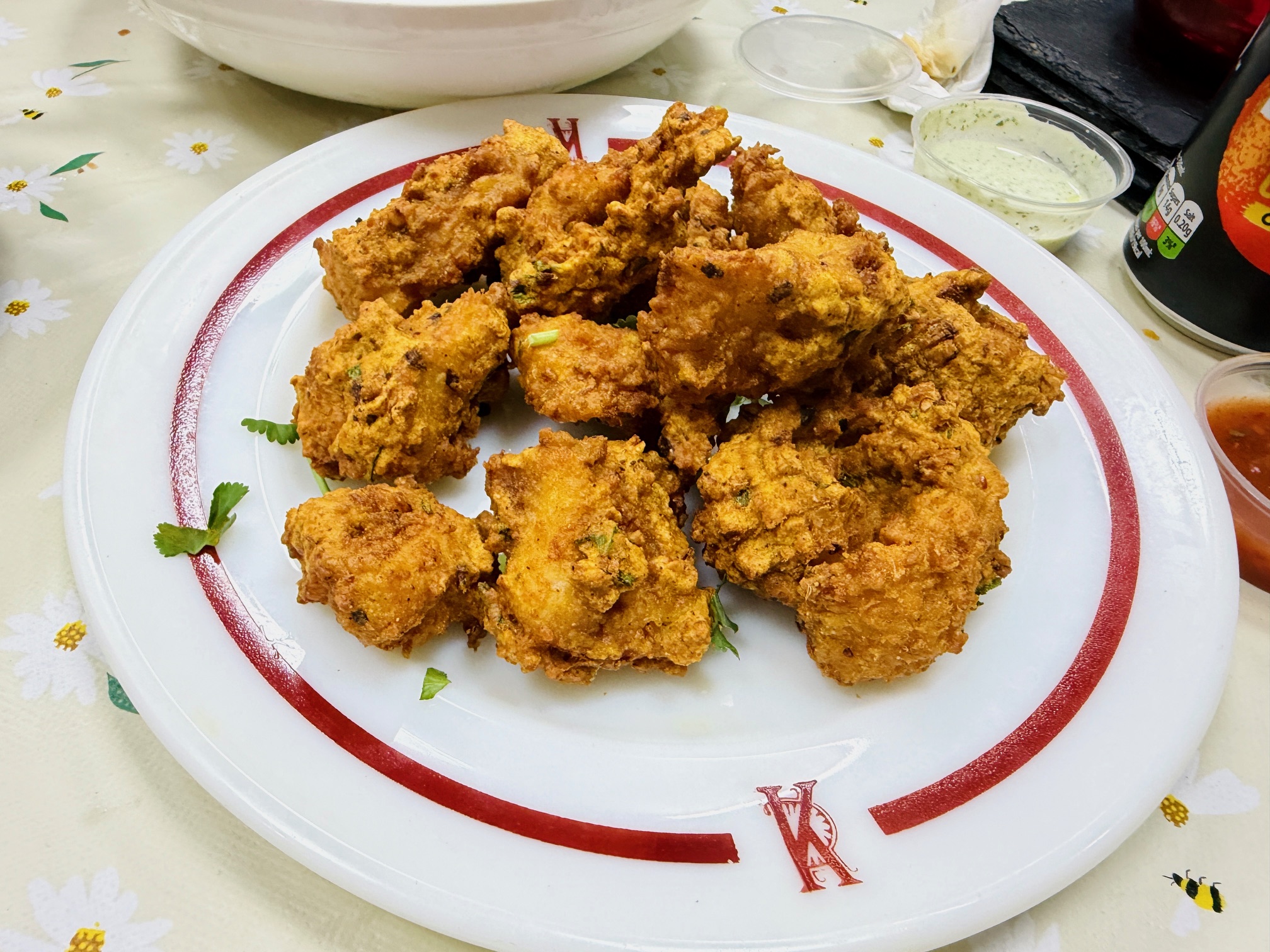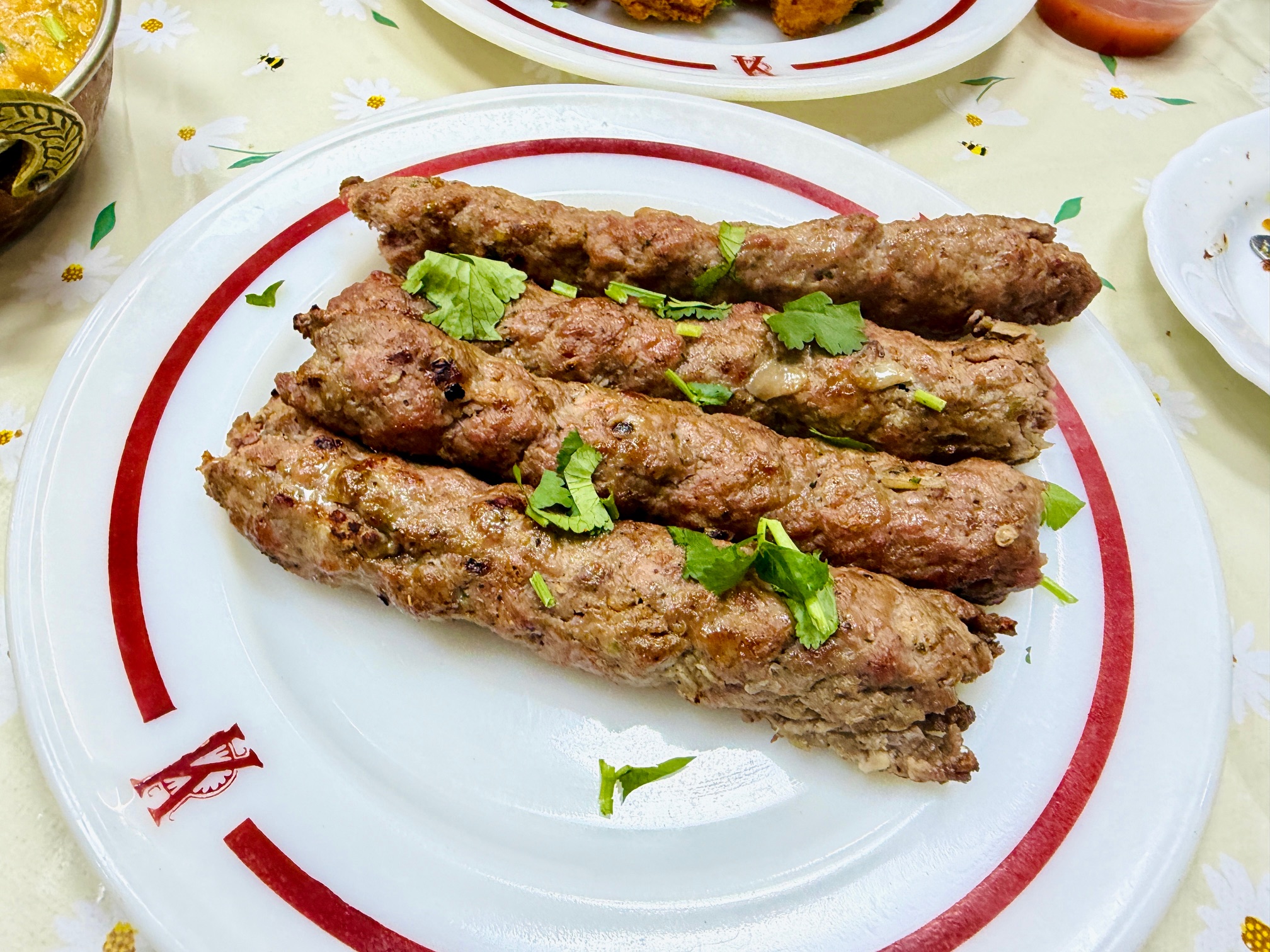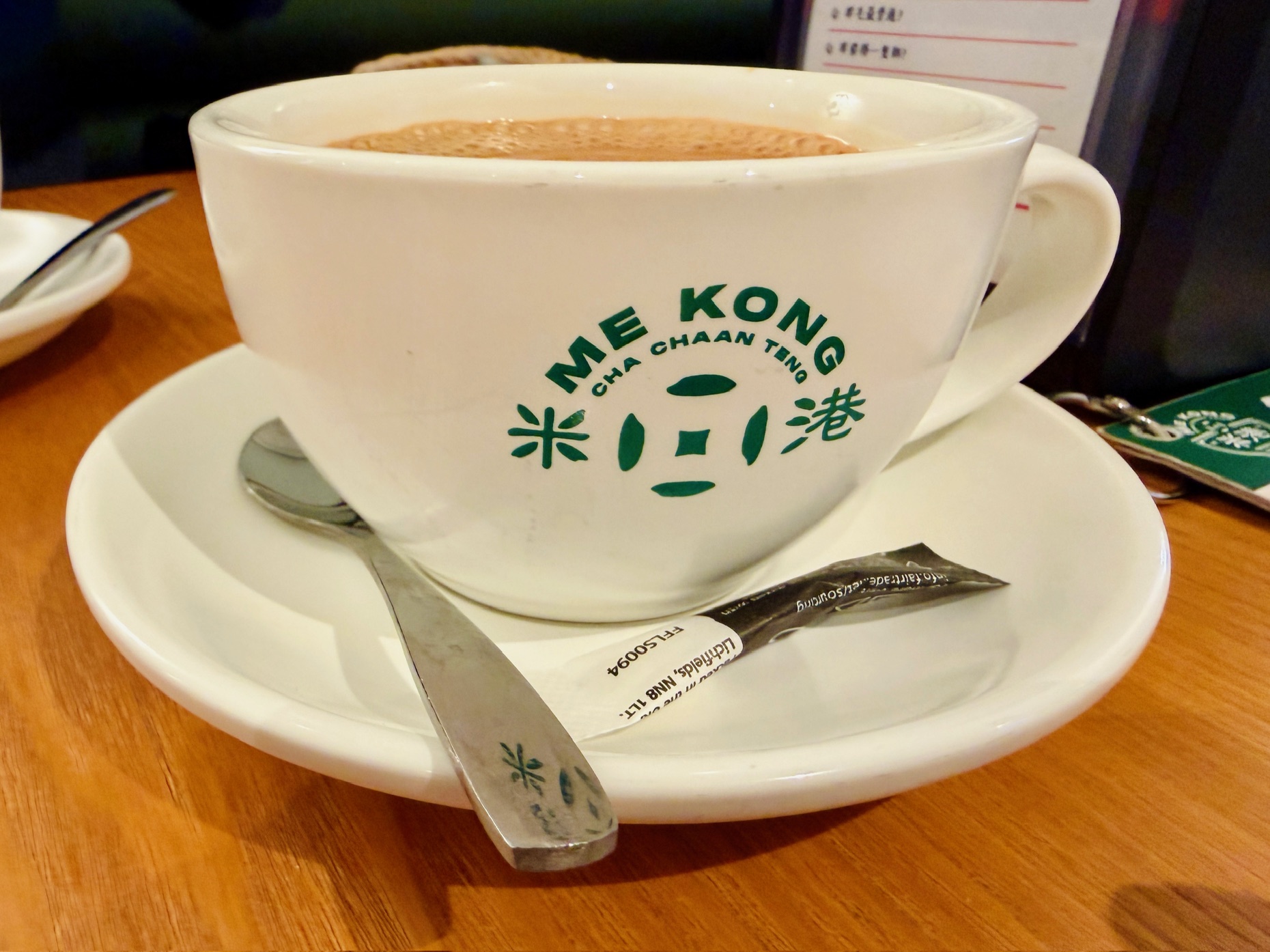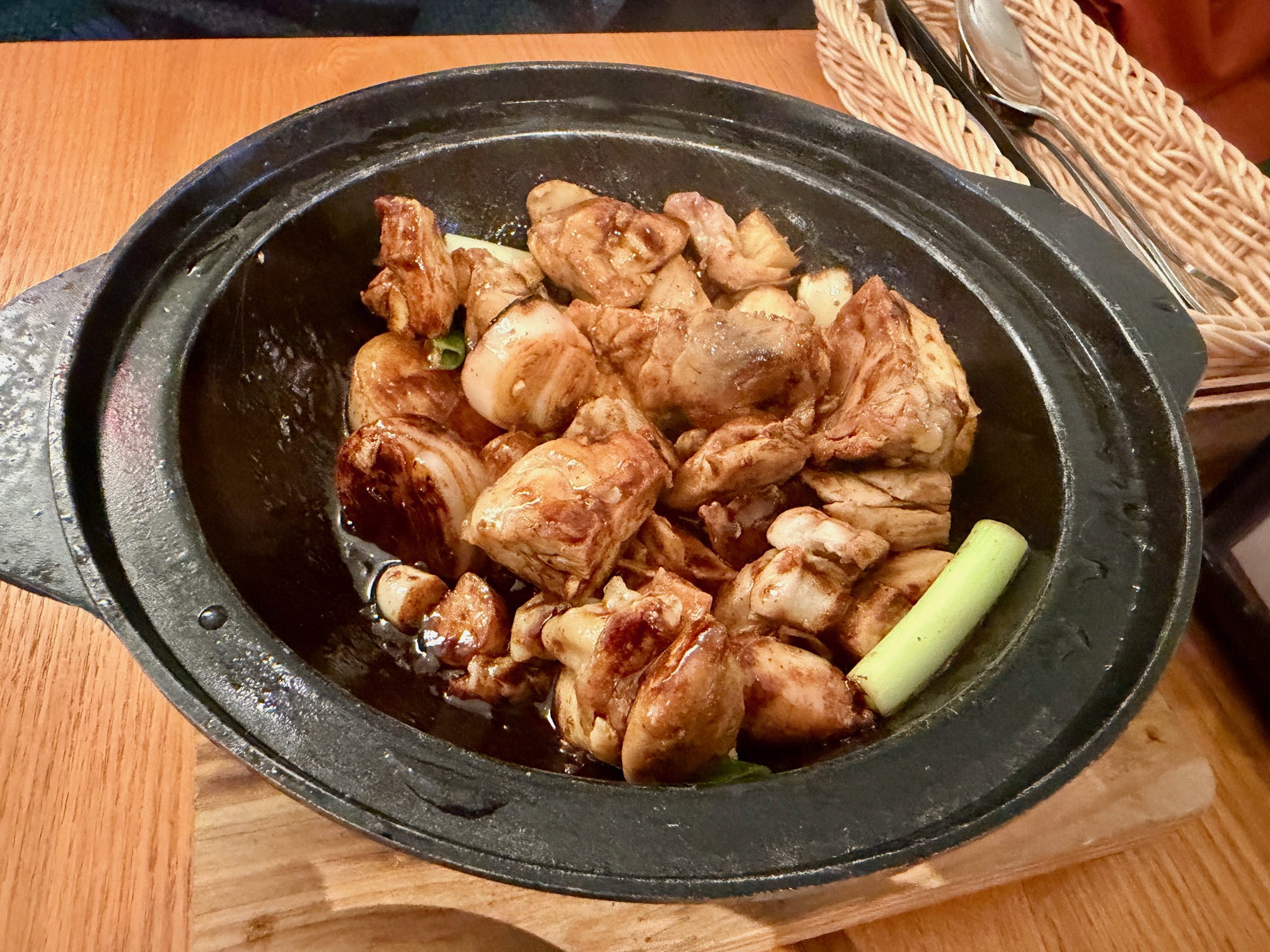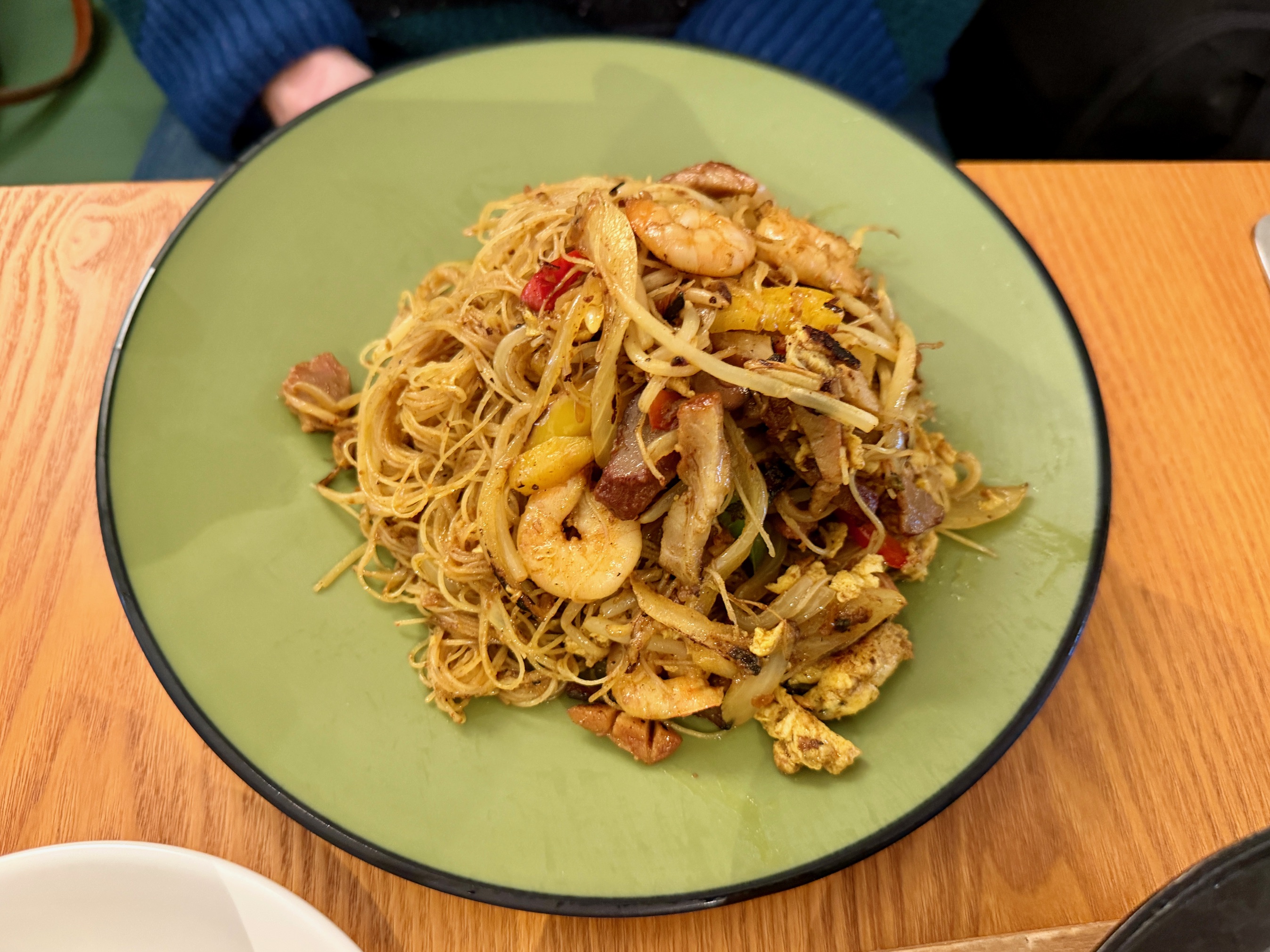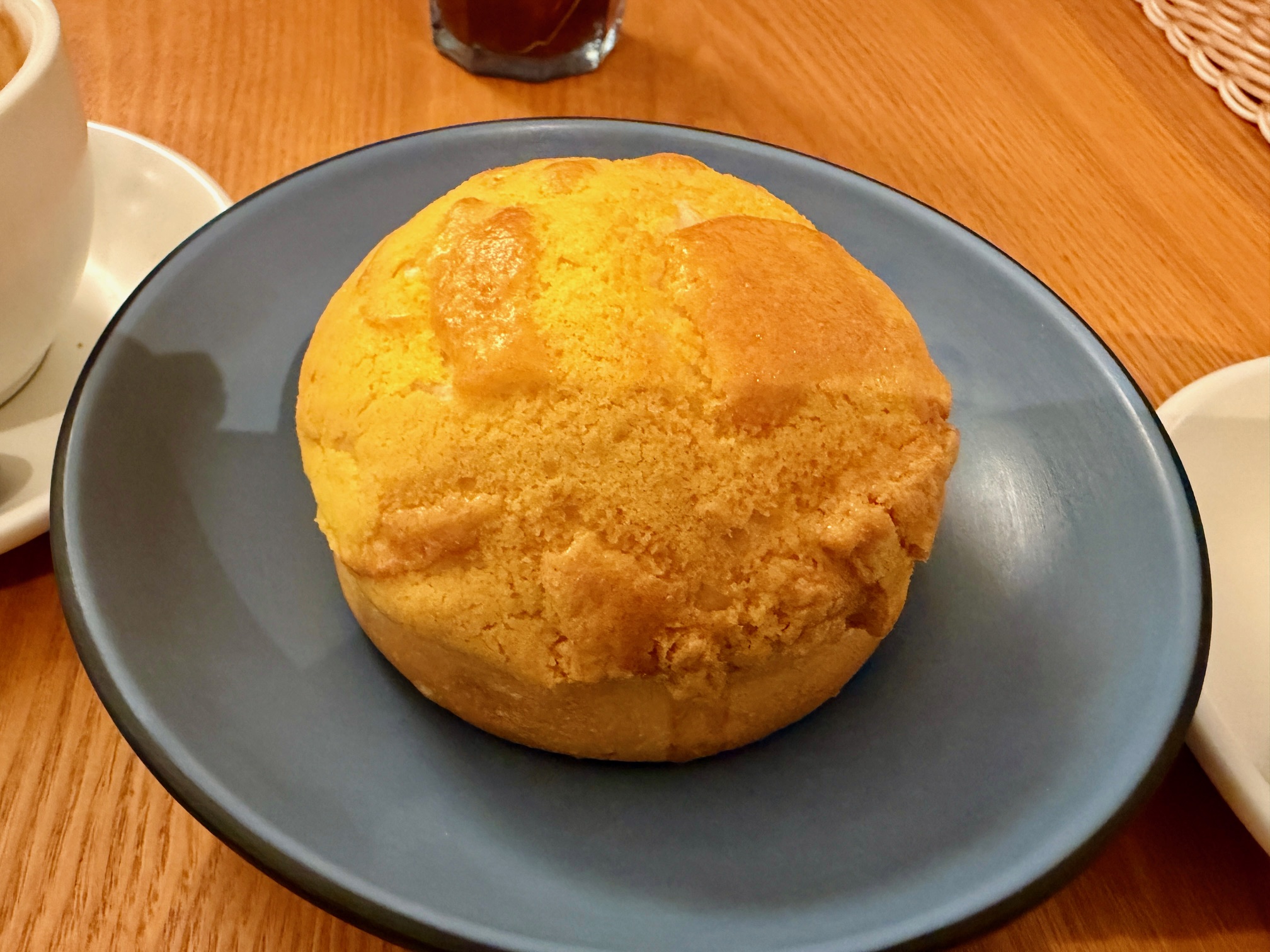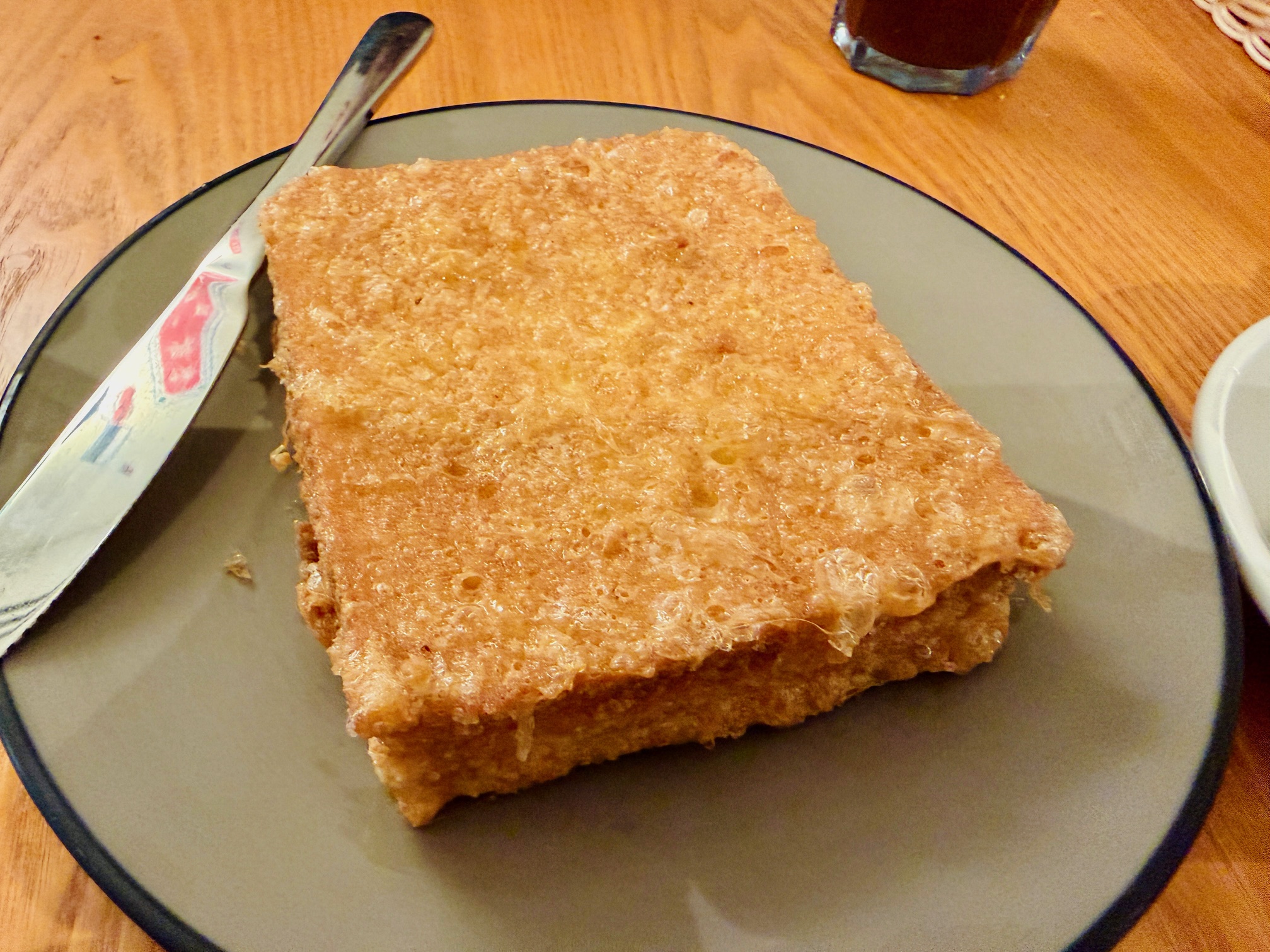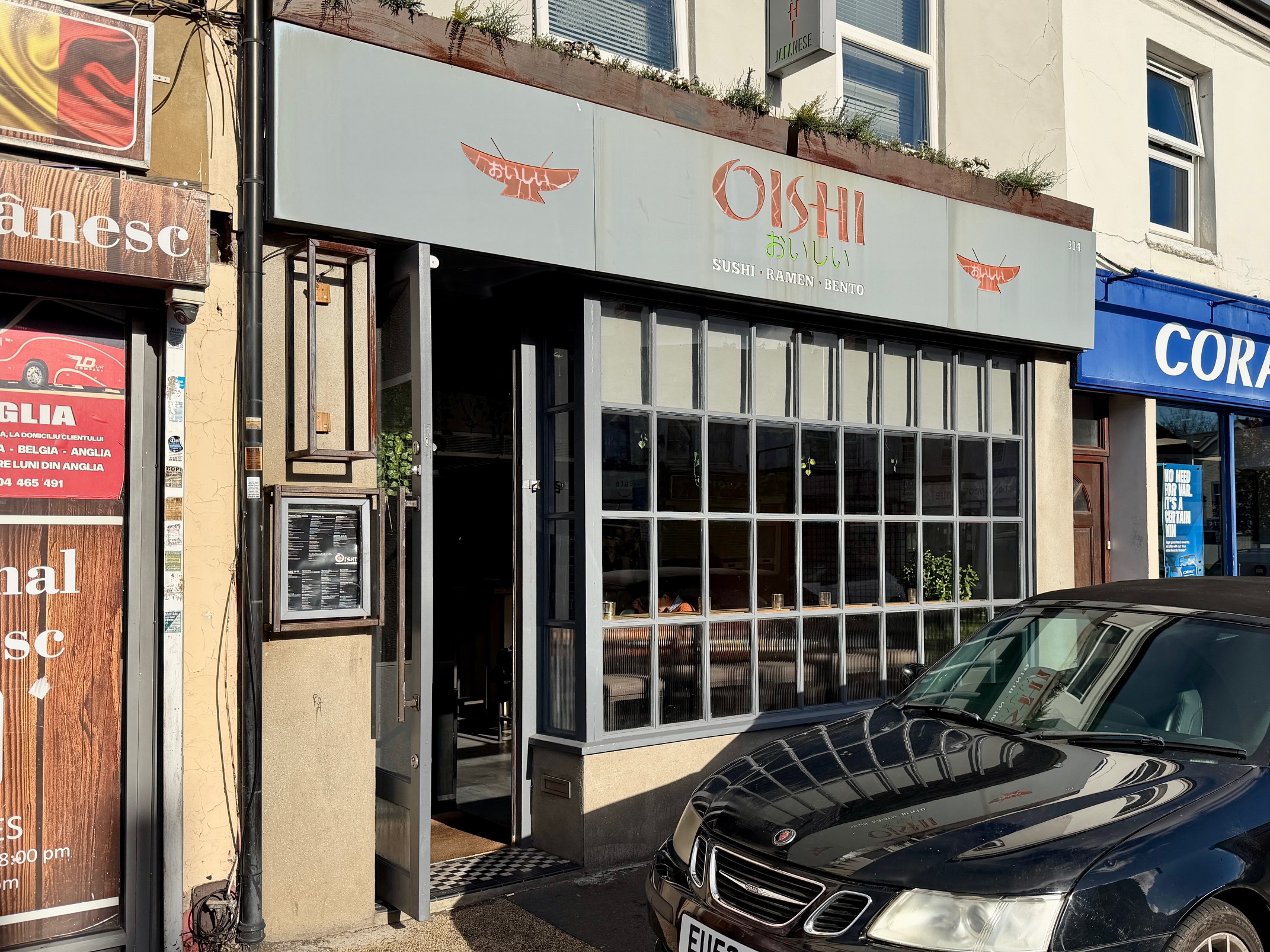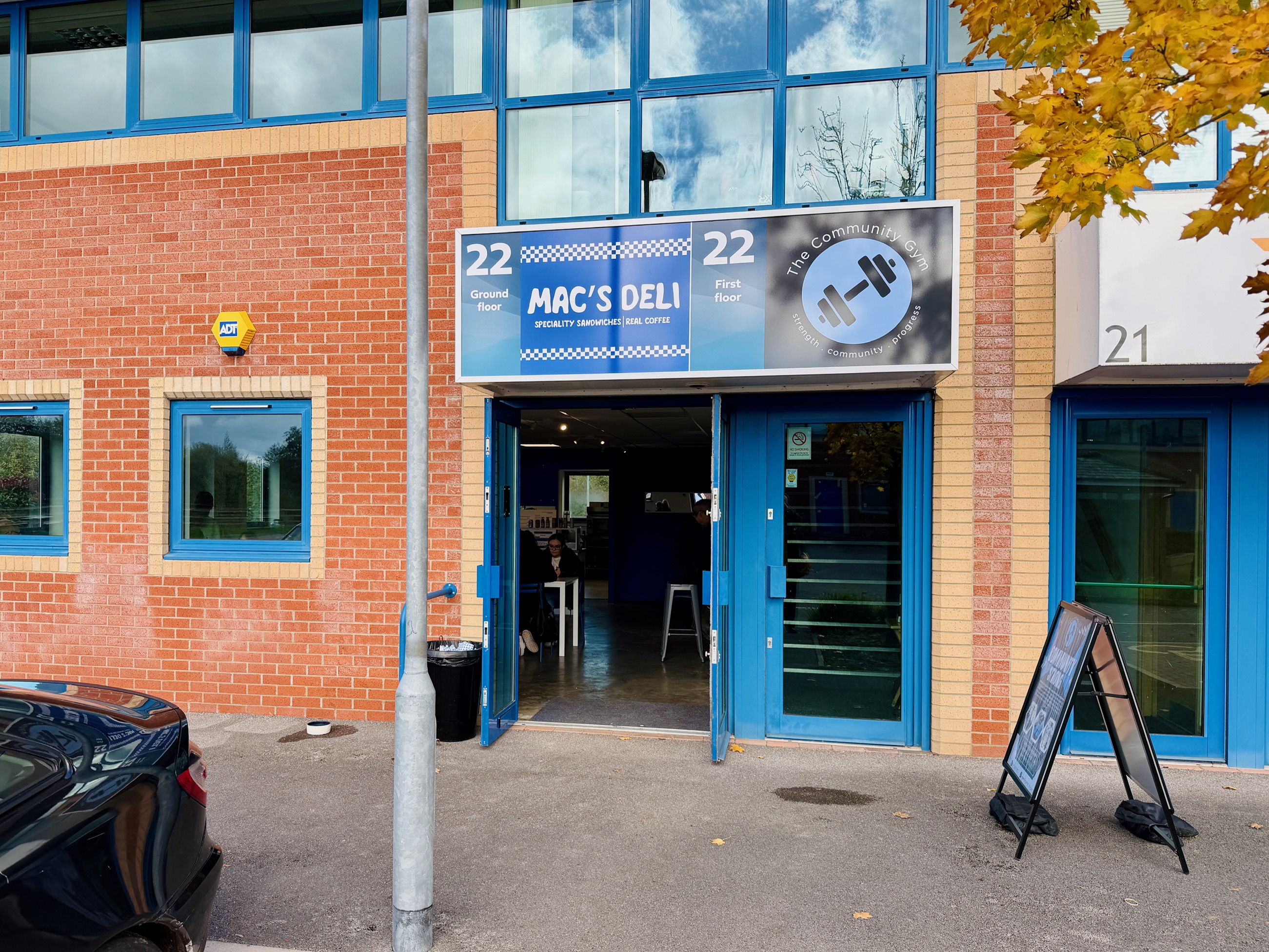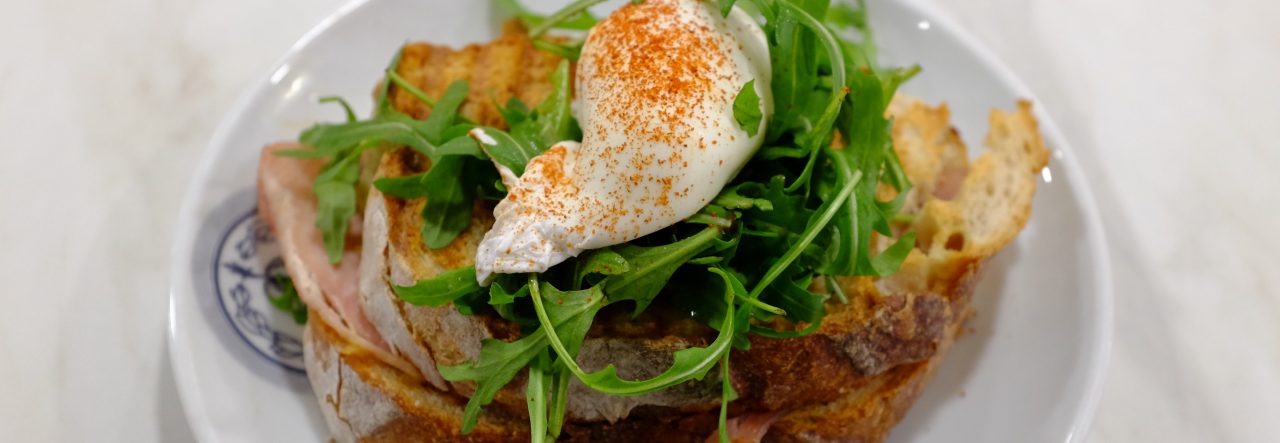
As followers on social media may already know, this will be my last conventional restaurant review for a short while. Last month I broke my arm in a nasty accident, and after a short stay in the Royal Berks, a brace, plenty of x-rays and an operation at the end of November I have been recovering at home.
As I’m currently housebound, with only one working arm, restaurant reviews will have to wait, hopefully not too long. Thank you to everybody for the well wishes I’ve received since the incident: I’m very lucky to have such kind and supportive readers.
I will publish content on the blog in the meantime, my physical condition and the limitations of Apple dictation willing, so stay tuned for that. I will try to spare you a piece on “meals you can eat at home with one hand”, (although I get the impression that genre’s less niche than you might think). For now, I hope you enjoy this review, which is of the last restaurant I visited before the accident: I’m very glad that it was at least a gorgeous meal.
For my money, the saddest words you can find when you Google a restaurant are these: temporarily closed.
They should mean one thing, but they so frequently mean another. You should be able to take them at face value, deduce that the proprietors are taking a well-earned rest, or enjoying their summer holidays. But frequently they mean quite the opposite: the restaurant has closed for good, but it hasn’t been officially confirmed yet. Those two words are like light reaching you from a dead star, a misleading proof of life.
In Reading I’ve seen this happen many times. O Português was marked as temporarily closed for several months, a Facebook post by the restaurant saying something like “be back soon” before it eventually shut for good. The same went for Buon Appetito: people turned up for reservations, only to find the place locked and bolted, no sign up and nothing on social media. The only two-word commentary anywhere? Temporarily closed.
It’s frustrating that so many restaurants fail to announce their own departure. I appreciate that it must be desperately sad when a business fails, that people are out of jobs and in some cases, an independent restaurateur’s dreams have withered and died. Perhaps telling customers, or prospective customers, is the least of their worries. But it’s a shame for customers too, especially if you’ve grown fond of a place: their closure, done that way, denies you closure.
Going temp to perm on your Google listing is the equivalent of leaving a job under a cloud. Far better to close the way the Grumpy Goat did, with one last Saturday to drink the place dry, or as Dough Bros did with its recent announcement, telling punters they had until just before Christmas to get their pizza fix.
It’s especially agonising when it’s somewhere you love. My stepmother’s favourite place to eat is a pub called the Bailiwick, on the edge of Windsor Great Park. It was stricken with the curse of temporary closure last month, with nothing on social media. Worse still, they were listed as permanently closed on OpenTable. When they subsequently posted that they would reopen, with more limited hours, having been “given a second chance” my stepmother was elated. Temporary closure, after all, is so rarely that.
It does happen sometimes in Reading, to be fair. Biryani Mama on St Mary’s Butts looked very shut, claimed they were closed for renovations (an excuse I’ve heard before from restaurants that never reopen) but, true to their word, they’re now trading again. But I have never, in all my days reviewing restaurants, seen a restaurant come back from the dead the way Oishi did.
Subscribe to continue reading
Become a paid subscriber to get access to the rest of this post and other exclusive content.
What were you doing when you were 21? If you’re a regular reader of this blog I imagine that, like me, you’ll have to cast your mind back to answer that question. In this sense I envy the generations after me, everything digitised, lives captured in hundreds of smartphone photos, people who can probably tell you exactly what they were doing on nearly every day of their twenty-second year.
Personally I was in my last year at university, frantically cramming for final exams I would dream about for years afterwards, navigating fraught relationships and sticking my head firmly in the sand about What Came Next and What I Would Do With My Life (thirty years of that now and counting, thank you very much).
My life was about to lose what little comfort and structure it had and, for me at least, most of the rest of that decade made up my wilderness years. I’m not sure I’d go back to being 21 if you paid me, despite all the people my age who will say “if only I knew then what I know now”. All they really mean is that they regret not getting laid more often, but we nearly all regret that.
I’ll tell you what I wasn’t doing when I was 21: I wasn’t starting my very first hospitality business, taking a massive gamble in a post-pandemic climate where the cards are stacked against restaurants, cafés and bars. But, nearly 30 years after I turned 21, that’s exactly what a chap called Mac Dsouza did.
That business was Filter Coffee House, on Castle Street, and it’s fair to say that it was an immediate success. I stopped by a couple of weeks after it opened, sampled its banana bun and was instantly smitten. So much so that about a week later, when I wrote a piece about Reading’s 50 best dishes to make 10 years of the blog, I managed to sneak that banana bun in there. I might have been relatively early on the bandwagon, but people were already talking about Dsouza’s café. By the time I reviewed it early in the New Year, its place in Reading’s affections was secured.
Dsouza, though, was not the sort to rest on his laurels. So even as the café kept trading, evolving, taking away its seating and moving to takeaway only he was working like a Trojan elsewhere. So he cropped up at Caversham’s Sunday markets to sell more coffee and treats, converting the RG4 crowd to his astonishing masala hot chocolate.
By then Filter Coffee House’s menu had expanded to include a range of affordable sandwiches, although I was more drawn to the specials they did at weekends. However you looked at it, what Dsouza achieved in a couple of years was quite something.
And what were you doing when you were 23, do you remember? I was back at my family home in a suburban terraced house in Woodley, temping in the cashier’s department of the insurance company where my brother worked. It was boring, and this was an office before smartphones, email and the internet so it’s hard to adequately convey quite how boring it was. But Labour had just put an end to eighteen years of Tory rule, and the joy was so extreme that it was almost tangible.
Despite earning fuck all, I always seemed to have enough money, possibly because my main aim at that point was to get drunk at the Bull & Chequers – midweek or weekends, back then nothing ever resulted in a hangover – and go clubbing. I was still impersonating an ostrich with reckless abandon, while my contemporaries became management consultants, solicitors and barristers. I was writing cheques for other people, putting files in alphabetical order and pretending to care what had happened in EastEnders when talking to Maureen or Eileen; everybody in my department was in their sixties, about to retire on the cusp of the information age.
When Mac Dsouza was 23 he opened his second business, Mac’s Deli. It’s not a deli at all, but a café squirrelled away on an industrial estate about a twenty minute walk from Theale station. It opened just over two months ago, and seemed to be a continuation of what he was offering at Filter Coffee House: coffee and a variety of sandwiches, this time mostly involving his own shokupan – Japanese milk bread – baked on the premises.
Subscribe to continue reading
Become a paid subscriber to get access to the rest of this post and other exclusive content.
This week’s review partly came about because of a gentleman called Andy Hayler. Now, you might not know who Hayler is, but in terms of food he’s something of a phenomenon.
The shadowy world of Michelin exists behind an impenetrable curtain, with nobody sure how they work or what dictates who gets listed, is awarded Bib Gourmands and stars – or, sometimes, has them taken away. Andy Hayler is the closest thing we have to a Michelin inspector working in plain sight. He has a blog, which has been around since the 90s, in which he has documented hundreds of meals in restaurants, giving each restaurant – and every dish – a mark out of 20.
I’ve rarely seen anything get lower than a 10, and very little approaches the top of his scale, but that’s because a fair amount of what Hayler has reviewed is at the highest end of dining. There was a time when he had eaten at every three starred restaurant in the entire world, although he stopped keeping up with Michelin when, as he puts it, they devalued what three stars should signify by giving them out in some territories to restaurants that were nowhere near the standards he had experienced elsewhere.
Hayler has a sort of cult, niche status in food. I’ve read a couple of pieces about him in recent years, both verging on hagiographies. He’s been described as “the best living food writer”, and I’ve read interviews that gush about his effortless recall and the esteem in which he is held by chefs and restaurateurs. He is the cognoscenti’s critic of choice and no mistake.
I think he attracts some of those plaudits because of what his reviews both are and aren’t. They don’t, in some senses, read like reviews at all, more like audits from someone scrupulous and meticulous who has forgotten more good meals than most of us will ever have. Although it doesn’t sound like he forgets many of them: why would you, when you document them all in such extensive detail?
I think the respect also comes from his refreshing lack of ego; Hayler would be the first to draw a distinction between himself and many restaurant reviewers. “I wouldn’t ever pretend I was any sort of fantastic prose master. I’m not trying to throw in a load of stuff about my journey to the restaurant and the trendy people on the table to the left” he has said, subtly throwing shade on half the piffle I come out with every week.
Don’t worry, there’s no way he meant me personally: in fact, he once described one of my pieces, about Maida Vale’s Paulette, as a “lovely review” which I found surprisingly touching. “Most of the newspaper critics want to be writers first, I want to focus on the food” he said more recently. I suspect the people who read him admire that purity of approach, and it does mean that when he thinks somewhere is dismal or overrated, which happens occasionally, it’s really very amusing.
What’s also admirable is that Hayler goes where he likes, reviews wherever he wants: money seems to be no object, and he doesn’t follow the fads. You won’t find him, for instance, reviewing Brasserie Constance, a restaurant operating out of Fulham FC’s Craven Cottage, unlike nearly every broadsheet critic over the last few weeks. Instead, his two or three reviews each week involve him going wherever he pleases, in London and abroad.
His two main weaknesses seem to be eating at the Ritz in particular and eating Indian food in general. Hayler is a regular visitor to Epsom’s Dastaan, and the little group of restaurants it has spawned in Surbiton, Richmond and Leeds. He’s also a frequent diner in Southall, and when he gave a warm review to Hounslow’s review of Crispy Dosa last November it caused a Mexican wave of regional bloggers checking out their nearest branch to touch the hem of his virtual garment (been there, done that – four years ago).
“If Mr Hayler thinks it is OK, it is a fair bet I will probably like it” one said. “You can be assured that if Andy says a restaurant is worth visiting then it really will be” said another. That’s proper soft power, and all from the opinion of a chap you mightn’t have heard of.
Hayler even came all the way west to Caversham last year to review Clay’s, something I’ve been waiting for him to do for a very long time. He gave it 14/20, which may not sound like a big deal but actually is. “Clays is a very impressive family-run restaurant, the food shows a lot of care, and the chefs are clearly putting some real effort into reproducing an authentic taste of India” he concluded, after paying particular tribute to Clay’s cabbage pakora, lamb chops and, of course, bhuna venison (Hayler also tried methi chicken, a dish he seems particularly to favour).
Seeing Clay’s reviewed by Hayler was like watching somebody you know being interviewed in the national news, and it made me proud. It didn’t make the local paper the way Grace Dent’s write-up had, but in its way it was every bit as significant. Hayler, as he said, is all about the food.
Now, by this point even my most supportive readers are probably thinking ‘this is an even more circuitous intro than usual, what has this got to do with anything?’ Well, I’ll tell you: every week Andy Hayler does a roundup on his blog, and every week the byline gives a couple of destinations. From South Kensington to Mayfair one might read, or From Piccadilly to Rome. Fancy restaurants and/or jetsetting are invariably involved. And then, at the start of the month, one made me do a double take. From Winnersh to West London, it said.
Winnersh? Our Winnersh?
It was not a misprint. Andy Hayler had come all the way to Winnersh to try out Club India, an Indian restaurant that opened back in July where the old Pheasant pub used to be. I mentioned that development when I reviewed Dolphin’s Caribbean, back in June, What I said, looking back, feels a little graceless, especially as they sent me a lovely email inviting me to a pre-launch event. I read the blurb and thought it sounded potentially interesting, but then again: Winnersh?
Andy Hayler had no such compunctions. Club India’s consultant chef had held two Michelin stars at his restaurant in San Francisco, although Hayler’s verdict on that place was that if a chef had gone there trying to pick up tips “he or she would either burst out laughing maniacally or seek to throttle any passing Michelin inspectors; possibly both”. But the head chef had headed up the kitchens at a couple of London restaurants Hayler really rated. So he went, he enjoyed it, he dished out scores out of 20 for all the dishes and, of course, he ordered methi chicken.
Overall he gave it the same rating, 14 out of 20, as Clay’s. “Club India was a thoroughly enjoyable experience, the food and service excellent, and at an affordable price. I wish I could say that more often these days” was his conclusion. That was good enough for me, so on a Friday night after a couple of pre-prandial beers in town Zoë and I hopped on the number 4 bus to go and see if Reading really did have a rival to Clay’s Kitchen, tucked away in – this may not be the last time I say this word slightly incredulously – Winnersh.
Subscribe to continue reading
Become a paid subscriber to get access to the rest of this post and other exclusive content.
The biggest trend in Reading’s food scene this year has been the proliferation of pizza places – Paesinos, Zí Tore, Amò and Peppito, all opening in the space of five months. In the space of a five minute walk, you could pass them all: you could do a pizza crawl of all four, if that’s your kind of thing. Everyone will have their favourite, or their own view of which is the best, and perhaps I will too once I’ve got round to the last couple on my to do list: one way or the other I’m sure my annual round-up and awards at the end of December will have something to say about all of that.
But if that competition is the most high-profile this year, there are a couple of smaller-scale rivalries, more under the radar, that have captured my attention every bit as much. Like the one between Vietnamese newcomers Pho 86, on St Mary’s Butts where County Deli used to be, and Thai restaurant Nua which opened just around the corner, in Bluegrass BBQ’s old home. They are competing not only with the established order – Pho and Thai Corner – but with each other, and they opened on the same day in July.
So that promises to be interesting, and I’ll do my damnedest to check them both out before the end of 2025. But even that’s not my favourite, because my favourite is the tightly-fought battle between two brand new restaurants, which opened a week apart, for Most Batshit Menu In Reading.
In the red corner you have Take Your Time, which opened in August at the top of Sykes’ Sweatshop (you probably know it better as Kings Walk) in the former Dolce Vita site, which sat vacant for over seven years. Take Your Time’s website says that it blends “Asian flavours with Western cuisine”, and Take Your Time’s menu interprets that as serving baked pork chop with an egg fried rice featuring tomato, pineapple and mozzarella, like someone put a Hawaiian pizza into Google Translate.
It also gives you the option of a chicken risotto (“chicken is slightly pink”), or “Hong Kong-style source [sic] stir fried spaghetti with pan fried ribeye steak”. Fusion? Confusion? Who knows. It would, any other time, be far and away the strangest menu I’ve read all year.
But then, a week later, Stop & Taste opened in Emmer Green in a ‘hold my beer’ scenario. Stop & Taste looked on the face of it like a standard eat in fast food place – visually difficult to distinguish from the likes of Basingstoke Road’s Kyaneez – mainly famous for having the most idiosyncratic Instagram account of all time – or Salt & Smash on Christchurch Green. But then I saw the menu and thought, and this is pretty much a verbatim transcript of my exact reaction, what the fuck is going on here?
Because Stop & Taste’s menu rivalled Take Your Time’s for eccentricity, for lack of an overarching theme. So yes, there were loads of burgers – obviously – but one of them involving tempura soft shell crab? And three different types of biryani, and oxtail tacos and fried shark bites? And a £25 lobster roll with “lobster tail poached in secret butter” and hand-minced beef patties and thick shakes and Sunday roasts made with fillet steak?
Take Your Time and Stop & Taste had two things in common – menus that invited an ADHD diagnosis and, paradoxically, names that seemed to extol the virtues of mindful eating. So I just had to visit one of them this week, and in the end I found myself taking a bus north of the river on a weekday evening. That menu at Stop & Taste was either madness or genius, and I just had to know which it was, shark bites and all.
Subscribe to continue reading
Become a paid subscriber to get access to the rest of this post and other exclusive content.
The concept of choice in restaurants, I’ve always thought, brings out the inner Goldilocks. Too wide a menu and paralysis sets in, but if it’s too narrow you can’t help feeling straitjacketed. It’s why restaurants that only offer one or two dishes: Le Relais de Venise with its entrecôte, or Burger & Lobster with its – well, you know – have never really caught on here.
I’m reminded of the immortal words of Peter Butterworth in Carry On Abroad, an evergreen favourite of mine, when his Spanish waiter Pepe comes out with the immortal words “of course you are having choices! You can having sausage and chippings, sausage and beans or beans and chippings. That’s choices”. And believe me, I don’t think anybody would have enjoyed dining at the Palace Hotel in Elsbels.
The only time we omnivores really think it’s acceptable to restrict our choices is when we go to a restaurant that offers variations on a theme: burger restaurants, pizza parlours, Nando’s. And yes, Nando’s does technically serve stuff that isn’t chicken but that’s hardly the point, because nobody goes there for that. If somebody at a table at Nando’s is eating a halloumi burger, you can be very confident that they don’t eat chicken and have been dragged there by some inconsiderate sod who does.
Then, of course, there’s the other occasion when we feel as if we have no choice: because there’s something on the menu that we must have, or always order. But those things, as I discovered when I counted down Reading’s top 50 dishes a couple of years ago, are hugely subjective. My wife might be unable to visit Kungfu Kitchen without ordering their deep fried fish, and believe me she is, but other people would mount an equally passionate case for the sweet and sour aubergine, or the lamb with cumin.
Besides, the better the restaurant – like KFK, or Clay’s – the less likely it is, really, that there’s a single must-order dish. What are the chances that a kitchen so skilful would produce just the one thing everybody has to eat? Pretty slim, if you ask me.
No, generally the concept that a restaurant has something you must try, a legendary dish in the making, is another by-product of hype, and usually comes out of the mouths of critics when they visit somewhere, soon after it opens. I’ve tried Brutto’s coccoli, Town’s saffron risotto and Kolae’s fried prawn heads, all acclaimed as instant classics when those venues opened, and they varied from quite nice to very good. Were any of them dishes those restaurants should be exclusively associated with? Not really. Two of them weren’t even the best thing I had in those meals, but it shifts newspapers to rave.
So no, restaurants that become synonymous with a single dish are rare in general, and I don’t think Reading has any to speak of. But that makes the subject of this week’s review even more unusual, because it does occupy that very niche territory. The Chester Arms is an Oxford pub just off the Iffley Road, east from Magdalen Bridge but a smidge closer to it than the Magdalen Arms. It has been under its current management for over ten years. And it’s very much famous for one thing in particular, its steak platter.
Now, it feels wrong to me for most restaurants to describe their own dishes as famous. I still remember the overblown, unsubstantiated hype for The Botanist’s hanging kebabs, for instance, which were more hanging than famous. It’s a bit like restaurants keeping a certificate in their window from over ten years ago, or restaurant bloggers describing themselves as ‘multi award-winning’ when they have, in fact, won none. Famous is something other people are meant to say about you, not how you describe yourself.
And yet in the Chester Arms’ case, you might make an exception. The pub’s homepage describes them as “home of the famous steak platter” and the dish has its own page on their website. It’s the creation of head chef Hamzah Taynaz – although Companies House makes it seem like he might have parted company with the pub over the summer – and it looks like a doozie: onglet cooked rare or medium rare, chips, béarnaise, cabbage with bacon, dressed salad. £50 for two people, or £70 for three, which on paper at least is impressive value; it was £30 and £45 back in 2015, but it’s been a bruising decade.
The thing, though, is this: I have been told to visit the Chester Arms numerous times, by people I know and by people who’ve tipped me off online. It’s been the place at the top of my Oxford to do list for quite a while – I would have reviewed it last month were it not for a medical misadventure – and every single person who has told me to go there has mentioned the steak platter. Some of them had eaten it, and raved about it. Others hadn’t, but left me in no doubt that if they did go there it’s exactly what they would order.
In fact, when I went to Arbequina last month I happened to be on the same train as someone I follow on Instagram, and when I messaged her to ask where she’d eaten in the city I was unsurprised to find that she had gone to the Chester Arms. “We had a great meal there” was her verdict. “It lived up to the hype for us.” So finally, last weekend, I got my chance to try it for size.
My plus one for this meal was my old friend and Oxford compadre Dave, and as we had a pre-lunch latte in Peloton Espresso’s very agreeable back garden I told him that this meal made him, with the exception of Zoë, my most capped plus one. Not bad going for a man who valiantly resisted joining me on duty until a couple of years ago, I told him.
“I thought you’d expect me to have opinions about everything!” he laughed. “And I’m too easy-going for that, I just want to eat nice food. But then I realised that actually you aren’t fussed about all that, so now I don’t mind tagging along.”
Dave was, I had to concede, probably correct. He likes to make much of how low maintenance he is, by which he means that he’ll generally do whatever you like and doesn’t have strong preferences. In the past I may have found that a tad frustrating, but as a dining companion for a restaurant reviewer, it turns out, it’s pretty much a dream CV. Besides, Dave quite rightly pointed out that for our forthcoming holiday to Bruges I had insisted on the dates, insisted on a hotel, changed my mind and picked another hotel and so on and so on, so maybe I quite liked having a low maintenance friend after all.
The Chester Arms is another of those lovely backstreet boozers I didn’t even know existed and like the Star off Cowley Road, it reminded me a little of Reading’s Nag’s Head and the Retreat, only built to a different scale. It was a big, handsome corner plot with a decent-sized garden and inside it was a very attractive room with wooden floorboards, large sturdy tables ringed by fetching booths and plenty of natural light. It was a properly gorgeous space which made me think, as so often, that I really missed the Lyndhurst.
Having said that, I do have to say that some of its tables were more equal than others. The place was absolutely packed – you have to book quite far in advance if you want a table – and without much in the way of soft furnishings, which made it a cacophonous place to be. The two tables nearest to us were the handsome ones for larger groups but our little table with unforgiving chairs, near the kitchen, next to a stack of high chairs, felt like one they put in the seating plan because they could, not because they should.
In fairness the table directly in front of me was possibly even worse. The large group settled in nearby was full of people who were young, exuberant and happy to be there. I love Dave dearly, but we could only manage one of those three. “They’re probably all catching up at the end of their summer holidays, ready for term to begin” he said equably, and I felt even older than usual.
The Chester Arms’ menu was compact in the way you’d expect when most people are there for the feature attraction: a handful of nibbles, only three starters to speak of and three main courses which were not the steak platter. One of them was a vegetarian mezze selection (“perfect as a starter to share, or to be enjoyed as a main for one”) which had, by the looks of it, strong Nando’s halloumi burger energy. The starters were under a tenner, all mains save the steak platter hovered around twenty pounds.
Now, to get this out of the way from the off, our service was brilliant from beginning to end. Our server was young, American, properly charming and looked after we two avuncular has-beens perfectly, and I can’t say enough good things about her. With one exception, which is that I saw a blackboard with specials being shown to other tables later in the afternoon but we were never told about it or given a chance to look at it. In an ideal world it just said, in big cursive script, Stop fooling yourself, we all know you’re having the steak platter but, as I didn’t see it, I can only guess.
Dave was reluctant to have a starter in case the steak platter turned out to be too much, which did make me wonder if some kind of Invasion Of The Body Snatchers situation was going on, but I managed to persuade him to share the most appealing starter with me. Actually it might have been the absolute best thing I ate all afternoon, so I half wished I’d just pressed on without him. Lamb koftas were a trio of plump nubbins, beautifully coarse and with just the faintest whiff of offal to them, really gorgeous stuff.
They came with flatbreads which felt bought in, but which were good nonetheless, a small stack of guindilla and what was described as green tahini. I’m not really sure what that was, because tahini is a paste with a very distinctive taste and texture and this was none of those things, and it didn’t have a particularly strong note of sesame, but I quite liked it anyway. Dave was unconvinced by it, but won over by the koftas. He let me have the spare one, because he’s a good egg, and even though they were almost more faggot than kofta it did make me wonder what a Chester Arms mixed grill would be like. That had better not have been on the specials menu.
We had a while to catch up after that because each steak is cooked to order and takes, if the menu is to be believed, 45 minutes. So he sipped his pint of alcohol free Rothaus, and I had a pale from DEYA: we were both keeping our powder dry for a more substantial session post lunch. I didn’t know at the time – I learned this from Instagram after the fact – that landlady Becca Webb had just come back from a tasting tour in Bilbao with her wine suppliers, and if I had I might have paid closer attention to the wine list. Next time.
Anyway, Dave and I had a good old chinwag, if constantly drowned out by the relentless, unforgivable youngness of people at our neighbouring tables, as we struggled gamely with the heat from the nearby kitchen. The problem with a restaurant where everybody orders the same thing is that each time it comes out from the kitchen you perk up, think it’s yours and then realise it’s going to another table. But in a way it’s genius, because it raises your anticipation over and over again, and every passing platter looked amazing.
Besides, it distracted me from Dave giving me a litany of people he knew, roughly our age, who were either seriously or terminally ill. They don’t call your fifties ‘sniper’s valley’ for nothing, and after I’d heard about three of them my fight or flight health anxiety kicked in and I asked him, ever so nicely, to stop. Is this what we’ve got to look forward to? I wondered to myself.
I can’t imagine anybody’s life expectancy would be enhanced by what turned up at our table about half an hour after our starters, but just look at it. You’d shave a few days off the end of your life for one of these, wouldn’t you?
It’s difficult to give any kind of scale with a photograph like that but trust me, that serving plate was substantial. Our two serving plates were on the smaller side, but that just gave you an excuse to go back again and again: not for nothing did the pot of utensils on our table include forks, sharp knives and a little set of steak tongs.
Everything about this dish was bang on or thereabouts. The onglet was cooked beautifully medium rare and, in the main was buttery and absurdly easy to cut, any tension in the fibres expertly soothed away; I appreciated the irony of eating something that was better rested, most likely, than I will ever be. The béarnaise was ever so slightly thin with a slight hit of vinegar, but it hadn’t split and went very well with the steak; I might have liked a little more, between two, and a spoon to dish it up with but as quibbles go those were minor.
The other thing I loved, though, was how complete a dish this was and how every component brought something to the table. The heap of savoy cabbage shot through with lardons was truly joyous, the chips were thick, crunchy and surprisingly good. And even the salad, which I’d dismissed in the run-up as a makeweight, was not an afterthought. It was properly dressed, and it supplied the lightness and acidity that would otherwise have been missing from the platter.
Our server had asked us if we wanted to upgrade to the platter for three (“nice bit of upselling”, said Dave) but we’d decided not to, mostly because I thought if I was reviewing the place you’d want to know if a platter for two actually served two. And my verdict is that it does: we finished all our steak and most of everything else, and even in the time between finishing and our almost empty plates being taken away we were both picking with forks – dunking a chip in the béarnaise or trawling it through the juices from the onglet, or the good stuff that was left after you’d airlifted the cabbage away. If service had been less on it, I think our plate would have ended up clean as a whistle.
I tried to send a picture of the platter to Zoë – because she’d asked, even though I imagine it would have made her seethe with resentment – and failed, because the mobile signal in that part of Oxford is like taking a day trip to 1997. Perhaps it was for the best.
Our server asked if we fancied dessert, so I asked Dave if he fancied dessert – because I’d have looked like a right fat bastard scoffing one on my own – and I was hugely relieved when he decided to join me. Perhaps the bodysnatchers hadn’t troubled his house in Wootton Bassett after all. The dessert menu was also compact: three desserts, or ice cream with Pedro Ximenez, or a selection of ice creams, or an affogato.
Another thing to like very much about the Chester Arms was the very appealing selection of digestifs, and the options of red or white port, Sauternes or PX: I had another half of the pale instead, but on another day would have veered in the direction of something smaller and sweeter. The pale, by the way, was decent if piney: not DEYA’s iconic Steady Rolling Man but a reasonable stand-in. I’d have checked it in on Untappd, but I was in 1997 so it hadn’t been invented yet.
I was tempted by something ice cream based, but the server couldn’t tell me where the Chester Arms’ ice cream came from and I wasn’t invested or entitled enough to make her ask. So instead I went for my tried and tested choice, a tiramisu. It was about as different as possible from most of the ones I’ve had recently – not loose, airy and boozy like the tiramisu at, say, Paesinos or RAGÙ. It was more old school, by which I suppose I mean inauthentic: much firmer, much denser, crammed into that Duralex glass like they’d almost forgotten to say when.
And it was gorgeous. I’d forgotten that authentic is overrated, with all the honest-to-goodness Italian food cropping up in places like Reading and Bristol, but this was a delight from first spoon to last – far, far more cream than sponge but laced with Courvoisier and Frangelico. I loved it far more than I expected to, and it made me think again that the Chester Arms might be famous for its steak platter but it had made the canny choice of ensuring that none of the other items on the menu were an also-ran.
Dave had the crème brûlée, which is just one of those dishes I never personally order. I tried a spoonful of it and it, too, was right on the money: just enough warmth, the carapace just the right thickness, the cream vanilla-speckled and exemplary.
We didn’t tarry, because by that point it was incredibly warm and both of us fancied stretching our legs. Besides, I had promised to introduce Dave to the Star and his beloved Liverpool had finished playing, so the lack of mobile reception was no longer the positive nuisance it had been. My advice is that if you’re going to spend time somewhere with absolutely no phone signal, the best idea is to do it in the company of someone where you can talk for hours without feeling the need to check your phone. So that’s exactly what I did.
Our meal for two – two and a half courses each, one of them that steak platter, and a pint apiece came to just under £100, including a discretionary 12.5% service charge which was totally earned. When you think that half of that whole bill was down to a single dish that the pub endearingly describes as a “small steak”, you have to hand it to them.
I’m really glad I finally made it to the Chester Arms – partly because it’s been an ambition for such a long time and partly because it was fascinating to try a restaurant in this country which really is synonymous with the one dish, to see if that reputation is justified. And it absolutely is – if you like steak at all, you would have a ball hopping on a train to Oxford and making your way to the Chester Arms. And if you don’t, but you know someone who does, make sure the two of you take a friend with you: you can have the fish and chips and they can have the time of their lives.
I do find myself wondering though, still: what was on that specials board? But I know that it could have had skate wing on it, or fried chicken, or countless other things, and I still would have ordered the steak platter. So does the steak platter qualify as famous? Yes, I think it probably does.
But if I went back to the Chester Arms again, knowing what their kitchen is capable of, would I really still order the steak platter a second time? Also yes. I’d be even sadder, though, if they’d taken those lamb koftas off the menu, because it was the dish I’d want to order every time, if it was up to me. That’s choices.
Since January 2025, Edible Reading is partly supported by subscribers – click here if you want to read more about that, or click below to subscribe. By doing so you enable me to carry on doing what I do, and you also get access to subscriber only content. Whether you’re a subscriber or not, thanks for reading.